

Your cells are under constant attack from free radicals - unstable molecules that can damage DNA, proteins, and cell membranes. Antioxidants act as your body’s natural defense, neutralizing these harmful molecules and preventing oxidative stress, which is linked to aging and diseases like cancer, heart conditions, and neurodegenerative disorders.
Key Takeaways:
- What Are Antioxidants? They stabilize free radicals by donating electrons, preventing cellular damage. Sources include vitamins (A, C, E), minerals (selenium), and plant-based compounds.
- Oxidative Stress: An imbalance caused by excess free radicals damages cells and accelerates aging and disease risks.
-
Types of Antioxidants:
- Enzymatic Antioxidants: Naturally produced proteins (e.g., SOD, catalase) that neutralize free radicals efficiently.
- Non-Enzymatic Antioxidants: Molecules like vitamins and glutathione, obtained through diet or supplements, that directly neutralize oxidative damage.
- Glutathione: Known as the "master antioxidant", it is produced in cells and plays a vital role in detoxifying harmful substances and recycling other antioxidants.
- Nrf2 Pathway: A cellular mechanism that activates antioxidant defenses during oxidative stress, protecting against inflammation and chronic diseases.
To protect your cells, maintain a diet rich in antioxidant-packed foods (e.g., fruits, vegetables, whole grains) and consider supplements like liposomal glutathione for better absorption. This balance is key to reducing oxidative stress and supporting long-term health.
Types of Antioxidants: Enzymatic and Non-Enzymatic
The body’s antioxidant defense system relies on two key players - enzymatic and non-enzymatic antioxidants. These two groups work hand in hand to protect cells and maintain balance, each contributing in unique ways.
Enzymatic Antioxidants
Enzymatic antioxidants are proteins that the body produces naturally. They work by catalyzing chemical reactions to neutralize reactive oxygen and nitrogen species, turning them into harmless substances like water. Some of the most important enzymatic antioxidants include superoxide dismutase (SOD), catalase (CAT), and glutathione peroxidase (GPx).
- SOD focuses on superoxide radicals, a byproduct of mitochondrial activity, where 1–3% of electrons escape from the electron transport chain.
- Catalase breaks down hydrogen peroxide (H₂O₂), a compound that builds up during periods of high oxidative stress.
- Glutathione peroxidase teams up with glutathione to neutralize a variety of peroxides.
What’s remarkable is that these enzymes can perform thousands, even millions, of reactions without being depleted, making them incredibly efficient at protecting the body.
Non-Enzymatic Antioxidants
Non-enzymatic antioxidants are smaller molecules that either come from the diet or are produced within the body. These include vitamin C, vitamin E, polyphenols, carotenoids, glutathione, bilirubin, and uric acid. Their job is to stabilize free radicals by donating electrons, effectively neutralizing these reactive species.
Plants are especially rich in non-enzymatic antioxidants, offering compounds like ascorbic acid, tocopherols, carotenoids, and flavonoids. These plant-based antioxidants are a critical line of defense, particularly during sudden oxidative stress.
How Antioxidants Work Together
Enzymatic and non-enzymatic antioxidants don’t just work in isolation - they collaborate to create a comprehensive defense system. Enzymatic antioxidants act as the first line of defense, breaking down reactive species at lightning speed, while non-enzymatic antioxidants step in to neutralize free radicals directly and stop chain reactions.
One standout example of this teamwork is the ascorbate–glutathione cycle, which detoxifies hydrogen peroxide. This process relies on the continuous recycling of substrates like ascorbate, glutathione, and NADPH between their oxidized and reduced forms. By working together, these antioxidants ensure both immediate and long-term protection, shielding cells from everyday oxidative stress as well as sudden surges of free radicals. This partnership is vital for keeping cellular functions running smoothly and maintaining resilience against oxidative damage.
How Antioxidants Work in Cells
Inside cells, antioxidants operate through various mechanisms to protect against damage and maintain overall cellular health. These mechanisms showcase the body's intricate defense system.
Neutralizing Reactive Oxygen Species (ROS)
Antioxidants play a critical role in neutralizing reactive oxygen species (ROS) before they can harm essential cellular components like DNA, proteins, and lipids. This is achieved through two main processes: direct scavenging and ROS inhibition.
In direct scavenging, antioxidants stabilize free radicals by donating electrons. For instance, vitamin E neutralizes peroxyl radicals by donating a hydrogen atom from its phenolic group on the chromanol ring, effectively halting the oxidation of polyunsaturated fatty acids. Remarkably, a single α-tocopherol molecule can neutralize up to 120 singlet oxygen molecules.
Vitamin C also steps in by reducing unstable molecules and preventing lipid peroxidation. On top of that, enzymatic antioxidants like superoxide dismutase (SOD) convert superoxide radicals into hydrogen peroxide (H₂O₂). Catalase and glutathione peroxidase then break down H₂O₂ into harmless water and oxygen, ensuring any lingering radicals are rendered harmless.
Regeneration of Antioxidants
One fascinating aspect of antioxidants is their ability to regenerate and recycle, which significantly boosts their effectiveness. This regeneration process hinges on NAD(P)H, a molecule produced in specific metabolic pathways.
For example, when vitamin E is oxidized after neutralizing a free radical, it can be restored to its active form by vitamin C (ascorbate) or coenzyme Q10. Similarly, oxidized glutathione (GSSG) is converted back into its reduced form (GSH) by glutathione reductase and NADPH. The balance between reduced and oxidized glutathione (GSH/GSSG ratio) serves as a vital indicator of a cell's ability to handle oxidative stress. Additionally, ascorbate and glutathione work together through one-electron or hydrogen atom transfer mechanisms to scavenge free radicals.
This regenerative process is closely tied to cellular signaling pathways that help coordinate and fine-tune antioxidant defenses.
The Role of the Nrf2/Keap1 Pathway
Beyond recycling antioxidants, cells employ genetic programs to strengthen their defenses. The Nrf2/Keap1 pathway is one of the most important mechanisms for combating oxidative and electrophilic stress. Under normal conditions, Nrf2 is bound to Keap1 and degraded. However, during oxidative stress, Nrf2 is released, allowing it to move into the nucleus and activate a suite of antioxidant genes.
Nrf2 influences nearly 500 genes that regulate redox balance, detoxification, stress responses, and metabolic processes. This pathway plays a vital role in maintaining cellular stability under stress and protecting against inflammation, cancer, neurodegenerative diseases, cardiovascular conditions, and diabetes.
Interestingly, certain compounds, such as Oltipraz, 3H-1,2-dithiole-3-thione (D3T), Sulforaphane, and Curcumin, have been shown to activate the Nrf2 pathway, opening doors to new strategies for disease prevention.
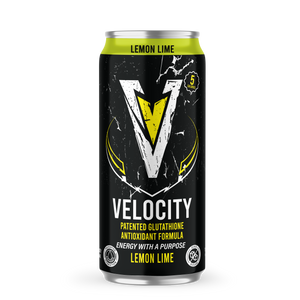
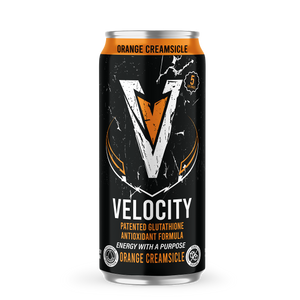
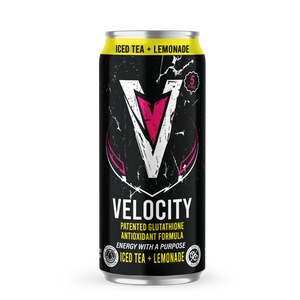
The Nrf2 pathway highlights the body's ability to produce its own antioxidants, reducing reliance on dietary sources. By combining this internal production with dietary antioxidants - like the patented glutathione in Velocity Energy - cells create a flexible and comprehensive defense system tailored to specific threats.
sbb-itb-b96d45f
Glutathione: The Master Antioxidant
Glutathione stands out as a key player in the body's antioxidant defense system, earning the title of the "master antioxidant." Its role in maintaining cellular health and balancing redox processes throughout the body makes it an essential molecule for overall well-being.
What Is Glutathione?
Glutathione is a tripeptide made up of three amino acids: glutamic acid, glycine, and cysteine. Unlike many antioxidants that need to be consumed through food, glutathione is produced directly within your cells. This ensures it’s available exactly where it’s needed most.
"Glutathione is what doctors and researchers have rightfully named the 'master antioxidant.' This remarkable defender is a tripeptide made of three amino acids." – Hope Brain & Body Recovery Center
What sets glutathione apart is its unique structure, which includes a special bond that makes it highly resistant to degradation. This allows it to remain active in cells for longer periods. Found in every cell of the body, glutathione concentrations typically range from 1 to 2 mM, but in liver cells - where it’s produced in the highest amounts - it can reach up to 10 mM. In healthy tissues, over 90% of glutathione exists in its reduced form (GSH), with less than 10% in its oxidized form (GSSG).
How Glutathione Works
Glutathione goes beyond simply neutralizing free radicals. As the most abundant non-protein intracellular thiol (a compound containing a sulfur group), it plays a vital role in protecting cells.
It directly neutralizes reactive oxygen species (ROS), preventing damage to DNA, proteins, and lipids. Additionally, it serves as a cofactor for enzymes that detoxify ROS, safeguarding mitochondria - the powerhouses of cells - from harm. Glutathione also acts as a storage form of cysteine and participates in detoxifying harmful substances.
Another fascinating function of glutathione is its role in activating cellular defense mechanisms. It triggers the Nrf2 pathway, a key regulator of protective genes like GCLC, Grx1, HO‑1, and NQO1. By modifying specific cysteine residues on Keap1, it releases and activates Nrf2, which then promotes the body's natural defense systems.
The impact of glutathione’s protective functions is far-reaching. It helps manage cellular damage linked to conditions such as heart disease, diabetes, liver disorders, Parkinson's disease, and even cancer. It also plays a role in slowing down some effects of aging, helping cells stay healthier for longer.
Glutathione in Science-Backed Products
Because of its critical role, maintaining adequate glutathione levels is essential. However, not all glutathione supplements are equally effective. Traditional oral supplements often face absorption challenges, as glutathione can be broken down during digestion.
Liposomal glutathione offers a more efficient solution. This advanced delivery system significantly improves absorption, with studies showing a 40% increase in whole blood glutathione and a 100% rise in immune cell levels after just two weeks of supplementation. This ensures more glutathione reaches your cells intact.
These benefits are part of the science behind Velocity Energy's formulation. Velocity Energy includes patented glutathione in its mix, designed to enhance mental clarity, immune function, and sustained energy throughout the day. By combining glutathione with other functional ingredients, this product supports the body’s natural defenses while providing clean, lasting energy.
Given that glutathione production can decline with age, stress, and toxin exposure, supplementing with a bioavailable form like liposomal glutathione helps maintain optimal levels. This supports cellular health, boosts performance, and enhances overall well-being.
What Happens When Antioxidants Are Imbalanced
Antioxidants play a crucial role in maintaining the delicate balance that protects your cells from damage. When this balance is disrupted - whether due to an overproduction of free radicals or insufficient antioxidant defenses - your cells become vulnerable. This imbalance can lead to cellular damage, affecting both your immediate energy levels and your long-term health.
When Antioxidants Fall Short
Your body constantly works to counteract the effects of free radicals with antioxidants. But when free radical production outpaces antioxidant defenses, damage begins to accumulate. For instance, normal cell metabolism can alter around 20,000 DNA bases per day in a single cell. Without adequate antioxidant protection, this damage builds up faster than your cells can repair it.
This state of oxidative stress often shows up in early warning signs like fatigue, persistent inflammation, and frequent illnesses. When reactive oxygen species (ROS) overwhelm your defenses, irreversible damage to cells can occur. Over time, this disruption not only affects everyday cellular functions but also increases the risk of more serious health conditions.
Oxidative Stress and Its Impact on Health
Oxidative stress has been linked to a range of chronic diseases, including cardiovascular issues, neurodegenerative disorders, cancer, and diabetes. Free radicals that aren’t neutralized can harm lipids, proteins, and DNA, which contributes to these long-term health risks. Additionally, oxidative stress plays a major role in aging. According to the oxidative stress theory of aging, the gradual accumulation of oxidative damage leads to age-related functional decline.
One study involving 2,944 healthy women aged 30–79 found that plasma levels of oxidized LDL - a marker of oxidative stress - increased after age 50. This illustrates how oxidative stress intensifies with age. Furthermore, oxidative stress often works hand-in-hand with chronic inflammation, creating a cycle that accelerates aging and degenerative conditions.
Comparing Enzymatic and Non-Enzymatic Antioxidants
To better understand antioxidant defenses, it helps to examine the two main types: enzymatic and non-enzymatic antioxidants. Each serves a unique purpose in protecting cells, but they also have limitations.
| Antioxidant Type | Advantages | Limitations |
|---|---|---|
| Enzymatic (e.g., SOD, Catalase, GPx) | Act as efficient catalysts, neutralizing thousands of ROS per second continuously | Production declines with age; require cofactors; cannot be easily supplemented |
| Non-Enzymatic (e.g., Vitamin C, E, Glutathione) | Can be obtained through diet or supplements; directly neutralize ROS and regenerate other antioxidants | Consumed during neutralization; need regular replenishment; bioavailability can be limited |
Enzymatic antioxidants work like highly efficient machines, neutralizing free radicals continuously. However, their production naturally decreases as you age, and they can’t be supplemented directly. On the other hand, non-enzymatic antioxidants act more like single-use tools, requiring constant replenishment through a diet rich in fruits, vegetables, and supplements.
Recognizing the early signs of antioxidant imbalance provides a chance to take action before chronic conditions set in. Simple steps like eating whole, nutrient-dense foods, cutting back on processed items, staying active, managing stress, and minimizing toxin exposure can make a big difference. Supporting your body’s enzymatic systems while ensuring a steady intake of dietary antioxidants helps maintain the balance needed for optimal cellular health.
Supporting Cell Health with Antioxidants
Antioxidants play a crucial role in protecting cells at the molecular level, helping to maintain overall health and reduce the risk of disease. They work by neutralizing free radicals and supporting cellular repair mechanisms, ensuring your cells function at their best.
Key Takeaways
Your body depends on two types of antioxidants: enzymatic and non-enzymatic. Enzymatic antioxidants, like superoxide dismutase and catalase, are your body's natural defense system, breaking down harmful free radicals. Non-enzymatic antioxidants, such as vitamin C, vitamin E, and glutathione, directly neutralize free radicals and help regenerate other antioxidants.
Among these, glutathione is often referred to as the "master antioxidant." It not only recycles other antioxidants but also directly combats a wide range of free radicals. Maintaining a balance between free radical production and antioxidant defenses is essential for cellular health. When this balance tips toward oxidative stress, it can lead to chronic health issues.
Up next, we’ll explore how nutrition and targeted products can further enhance your cellular defenses.
Adding Antioxidants to Your Lifestyle
Incorporating antioxidants into your daily routine can strengthen your body’s natural defenses. The best approach combines a diet rich in antioxidant-packed foods with targeted supplementation. Research consistently highlights the benefits of whole foods. For instance, a 2017 review of 95 observational studies involving over 2 million participants found that higher fruit and vegetable consumption significantly reduced the risk of cardiovascular disease and cancer.
To maximize your antioxidant intake, include a variety of fruits, vegetables, and whole grains in your meals. Opt for cooking methods like steaming or microwaving to preserve nutrients, and enjoy some foods raw to retain their natural vitamins and enzymes.
While supplements can be helpful, high doses may not always be effective and can sometimes cause harm. For targeted support, products like Velocity Energy offer a science-backed solution. This clean energy drink combines patented glutathione with other functional ingredients to promote mental clarity, immune health, and sustained energy throughout the day.
Consistency is key. Every day, your cells face oxidative stress from normal metabolism, environmental toxins, and stress. By eating a diet rich in whole-food antioxidants and incorporating bioavailable supplements like the patented glutathione found in Velocity Energy, you can provide your cells with the comprehensive protection they need to support long-term health.
FAQs
What are some easy ways to add more antioxidants to my diet to help protect my cells?
Adding antioxidants to your diet doesn’t have to be complicated - it can actually be quite tasty. Try including a mix of fruits, vegetables, nuts, seeds, and whole grains in your daily meals. Think about options like blueberries, spinach, kale, almonds, or sweet potatoes. These foods are loaded with antioxidants and can help your body manage oxidative stress.
You can also spice things up - literally - by adding herbs and spices such as turmeric, cinnamon, or oregano to your dishes. These are not only flavorful but also packed with compounds that protect your cells. Small, consistent tweaks like these can go a long way in supporting your overall well-being.
How does the Nrf2/Keap1 pathway help protect cells from oxidative stress?
The Nrf2/Keap1 pathway is central to the body’s defense system, safeguarding cells by boosting natural antioxidant mechanisms. Under oxidative stress, Nrf2 detaches from its regulator, Keap1, and moves into the cell nucleus. Once there, it activates the production of enzymes that combat reactive oxygen species (ROS), which are harmful molecules that can damage cells.
By neutralizing these ROS, this pathway minimizes cellular damage, promotes overall well-being, and strengthens the body’s resilience to both environmental challenges and metabolic stress.
What makes glutathione the 'master antioxidant,' and how is it different from other antioxidants?
Glutathione is often referred to as the "master antioxidant" because it plays a key role in keeping cells protected from damage. What makes it stand out from other antioxidants is its dual action: not only does it neutralize harmful free radicals, but it also helps regenerate and recycle other antioxidants, like vitamins C and E, so they can keep working effectively.
On top of that, glutathione is vital for important cellular functions. It helps maintain the delicate balance of oxidation and reduction - known as redox balance - which is crucial for healthy cell activity and defense. Its unique ability to fight oxidative stress while boosting the body's detoxification processes truly sets it apart.