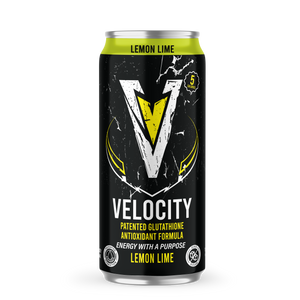
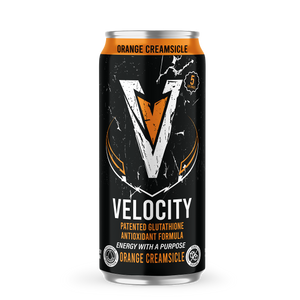
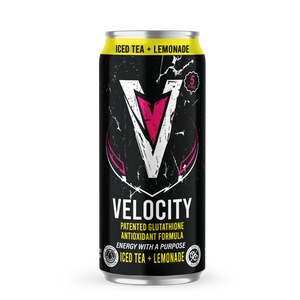


Energy drinks can boost workout performance and recovery by providing natural caffeine, electrolytes, and antioxidants. They enhance stamina, keep you hydrated, and support muscle repair without causing energy crashes. Clean energy drinks focus on natural ingredients like green tea extract, coconut water, and plant-based compounds to deliver steady energy and quicker recovery. Choosing the right drink and timing consumption can improve endurance while reducing post-workout fatigue.
Key takeaways:
- Natural caffeine improves focus and energy without jitters.
- Electrolytes like sodium, potassium, and magnesium aid hydration and muscle function.
- Antioxidants reduce muscle damage and inflammation for faster recovery.
- Avoid drinks with high sugar or artificial additives to maintain consistent energy.
Understanding labels and moderating intake ensures energy drinks support your fitness goals effectively.
Key Ingredients in Clean Energy Drinks
Clean energy drinks are packed with ingredients designed to boost your workout performance and support recovery afterward. Each component plays a specific role, helping your body handle the demands of exercise while preparing you for the next session.
Natural Caffeine for Balanced Energy
Natural caffeine, often sourced from green tea extract and guarana, provides a steady, sustained energy boost. Research suggests that caffeine can enhance both aerobic and anaerobic performance by promoting fat oxidation and reducing the perception of effort. When consumed before a workout, it can sharpen focus and reduce fatigue. Plus, green tea extract contains L-theanine, a compound that helps smooth out caffeine’s stimulating effects, giving you a more balanced, jitter-free energy lift.
Electrolytes for Hydration and Performance
Electrolytes like sodium, potassium, and magnesium are essential for keeping your body hydrated and your muscles functioning properly during exercise. They help maintain fluid balance, ensure effective nerve signaling, and support muscle contractions, all of which are critical for peak performance.
Adaptogens for Stress and Endurance
Adaptogens, such as ashwagandha and rhodiola rosea, are natural compounds that help your body handle physical and mental stress. Ashwagandha has been linked to improved muscle strength and reduced exercise-induced muscle damage, while rhodiola rosea may help combat fatigue and boost endurance. By modulating your body’s stress response, these adaptogens allow you to train harder and recover faster.
Glutathione and Antioxidants for Faster Recovery
Glutathione plays a key role in repairing cells and detoxifying the body. Intense exercise can lead to a buildup of free radicals, which may damage muscle cells and slow recovery. Patented glutathione formulations in clean energy drinks help neutralize these free radicals. Additional antioxidants, like vitamins C and E, further support muscle repair and help reduce inflammation, leading to less soreness and a quicker rebound to peak performance.
How Energy Drinks Boost Endurance
Clean energy drinks don't just aid recovery - they also help you go the extra mile during workouts. Packed with natural ingredients, these drinks target key areas of endurance, giving you the stamina to push harder and longer. Let’s break down how these ingredients work.
Increasing Energy Levels with Natural Ingredients
Natural caffeine, sourced from green tea extract and guarana, delivers a steady and sustained energy boost during exercise. Unlike synthetic caffeine, this natural blend works in harmony with L-theanine, an amino acid that slows caffeine absorption, ensuring your energy stays consistent without sudden spikes or crashes. Additionally, B-vitamins are essential players in energy metabolism, helping transform carbs and fats into usable fuel for your muscles - keeping you powered through even the toughest workouts.
Enhanced Stamina and Sharper Focus
Beyond energy, clean energy drinks can improve your stamina and mental clarity. Natural caffeine doesn't just energize; it also combats fatigue signals in the brain, helping you stay focused and alert during tough sessions. This means quicker reaction times and a reduced perception of effort, making those grueling workouts feel a little more manageable. On top of that, adaptogens like ashwagandha and Rhodiola rosea are often included to help your body handle physical stress, further boosting your endurance and resilience.
Fighting Fatigue During Long Workouts
Long workouts can drain your body, but clean energy drinks are designed to keep you going. Electrolytes replenish lost minerals, ensuring proper muscle function and preventing cramps. Some drinks, like Velocity Energy, even include a patented glutathione formula. Glutathione acts as a powerful antioxidant, neutralizing free radicals that cause oxidative stress and fatigue during extended exercise. Magnesium is another key player, supporting muscle function and energy production by aiding enzymatic reactions that convert food into fuel - and it also helps prevent those dreaded muscle cramps.
When combined, these ingredients work together to combat fatigue, sustain energy, and keep you performing at your best for longer.
sbb-itb-b96d45f
How Energy Drinks Help Muscle Recovery and Rehydration
Beyond boosting endurance, clean energy drinks play a key role in recovery by replenishing essential nutrients. Recovery is just as crucial as performance when it comes to sustaining exercise routines. While natural caffeine and adaptogens sharpen your performance, specific nutrients are vital for helping your body bounce back.
After an intense workout, your body craves nutrients to repair and rebuild. Clean energy drinks can step in to support recovery and restore hydration levels, helping you gear up for your next session.
Electrolytes for Quick Rehydration
When you sweat, your body loses water and electrolytes like sodium, potassium, and magnesium - minerals that are essential for muscle function and maintaining fluid balance. An electrolyte-packed drink can replenish these faster than water alone.
- Sodium helps your body retain water and maintain proper hydration.
- Potassium supports muscle contractions and helps ward off cramps.
- Magnesium aids in muscle relaxation and assists in protein synthesis, which is crucial for muscle repair.
Together, these electrolytes speed up rehydration and ensure your muscles function properly during recovery.
B-Vitamins and Antioxidants for Muscle Repair
Intense workouts lead to tiny tears in muscle fibers and generate free radicals - unstable molecules that can slow down the repair process. Clean energy drinks fortified with B-vitamins and antioxidants help combat this oxidative stress at a cellular level.
- Vitamin B6, B12, and folate are key players in protein metabolism and muscle rebuilding. Vitamin B6 is particularly important for protein synthesis, while B12 supports cellular energy production during recovery.
- Antioxidants like vitamin C, vitamin E, and glutathione neutralize free radicals before they can cause further damage. Glutathione, often called the "master antioxidant", helps regenerate other antioxidants and supports cellular repair.
This combination of nutrients creates an environment that promotes muscle recovery, reduces inflammation, and speeds up healing. Athletes often report feeling less sore and regaining strength faster when they incorporate antioxidant-rich drinks into their post-workout routine.
The Benefits of Sugar-Free Options
High-sugar drinks can lead to blood sugar spikes followed by energy crashes, leaving you feeling drained and potentially slowing the recovery process.
Sugar-free clean energy drinks provide steady energy with natural caffeine and functional ingredients, avoiding the highs and lows caused by refined sugars. This consistent energy supply is especially important when your body is focused on repairing itself.
Additionally, cutting down on sugar can reduce inflammation and muscle soreness. By relying on natural caffeine and B-vitamins, these drinks give your body the energy it needs for recovery - without the drawbacks of sugar-induced crashes.
How to Choose the Right Energy Drink
Picking the right energy drink can have a big impact on your workout performance. With energy drinks pulling in $159 billion in revenue back in 2021, there’s no shortage of options. But with so many choices, knowing what to look for on the label can make all the difference.
How to Read Nutrition Labels
Understanding nutrition labels is a crucial first step in finding an energy drink that fits your fitness goals. These labels provide key details like serving size, calories, and nutrient content. Pay close attention to serving size and the number of servings in the container because all the listed nutrients - including caffeine - are measured per serving. Caffeine levels, for instance, can vary widely, ranging from 50 to 200 mg per serving, and some cans contain multiple servings, which can quickly add up.
Make sure the label clearly states the caffeine amount per serving. If the ingredient list includes guarana, keep in mind that 1 gram of guarana adds approximately 40 mg of caffeine.
Look for drinks packed with electrolytes, vitamins, and antioxidants. Nutrients like dietary fiber, vitamin D, calcium, iron, and potassium are especially worth noting, as many Americans don’t get enough of these. On the flip side, it’s wise to avoid drinks high in saturated fat, sodium, and added sugars. Diets loaded with added sugars can make it harder to meet your nutritional needs while staying within your calorie goals.
Be cautious with ingredients like carnitine, glucuronolactone, inositol, Panax ginseng, and taurine. These are often linked to claims about performance or health benefits, but there’s limited evidence backing those claims, and their safety isn’t always well-documented.
By understanding these labels, you’ll not only make smarter choices but also know how and when to consume your drink for the best results.
When and How Much to Drink
Timing and portion size are just as important as what’s in the drink. For a pre-workout boost, try consuming your energy drink shortly before exercising to give the caffeine time to kick in. Keep in mind that the recommended daily caffeine limit is 400 mg. Going over this amount can lead to side effects like jitters or trouble sleeping.
Post-workout, focus on drinks that prioritize electrolytes and antioxidants instead of caffeine. These help replenish fluids and nutrients, aiding in muscle recovery. Also, be mindful of the calories in your energy drink and how they fit into your overall daily intake to maintain a healthy balance. Don’t forget to account for multiple servings if the label indicates them.
Using Energy Drinks in Moderation
Moderation is key to getting the benefits of energy drinks without the downsides. If you’re sensitive to caffeine, start with a smaller serving and adjust gradually. Factors like your fitness level, body weight, and personal caffeine tolerance all play a role in determining the right amount for you.
Choose a drink that aligns with your workout goals. For activities requiring focus and stamina, look for options with natural caffeine and other functional ingredients. For endurance-based workouts, prioritize drinks with electrolytes and sustained energy support. If you exercise in the evening, consider low-caffeine or caffeine-free options to avoid disrupting your sleep.
Above all, listen to your body. If you notice symptoms like jitters, anxiety, or trouble sleeping, scale back your intake or switch to a gentler formula. Some clean energy drinks, like those featuring patented glutathione from Velocity Energy, offer a balanced way to enhance performance. Matching your drink choice and serving size to your workout intensity can help you achieve the best results.
Conclusion: Getting the Most from Your Workouts
To wrap up, clean energy drinks can provide valuable support for both endurance and recovery when incorporated thoughtfully into your fitness routine. Packed with natural caffeine, electrolytes, adaptogens, and antioxidants, these drinks help sustain energy, keep muscles functioning properly, stay hydrated, manage physical stress, and speed up recovery.
The key is to look for options with transparent, research-backed ingredient lists that prioritize steady performance over short-lived energy spikes.
When combined with a solid foundation of proper nutrition, hydration, and quality sleep, clean energy drinks can help you stay consistent with your workouts and improve overall results.
FAQs
What makes clean energy drinks better for workouts compared to traditional energy drinks?
Clean energy drinks are gaining attention for their use of natural ingredients like electrolytes, adaptogens, and plant-based caffeine. These components work together to deliver steady energy, boost endurance, and aid in muscle recovery. Unlike traditional energy drinks loaded with synthetic caffeine, excessive sugar, and artificial additives - often leading to energy crashes - clean energy drinks prioritize more balanced and sustainable performance.
Packed with antioxidants and vitamins, they also help combat fatigue and provide longer-lasting energy. For fitness enthusiasts looking to improve both their workouts and recovery, these drinks offer a healthier, more supportive option.
What are the possible side effects of energy drinks, and how can you reduce them?
Energy drinks can occasionally trigger side effects such as a racing heart, elevated blood pressure, heart palpitations, anxiety, trouble sleeping, or general restlessness. These reactions are typically linked to their high caffeine levels and additional stimulants.
To minimize these risks, it’s wise to moderate your consumption, stay hydrated by drinking enough water, and steer clear of energy drinks late in the day or during particularly stressful times. If you’re sensitive to caffeine, look for options with less caffeine or those made with natural ingredients.
When is the best time to drink an energy drink for better endurance and faster recovery during workouts?
For better stamina during your workout, have an energy drink 15 to 30 minutes beforehand. This allows ingredients like natural caffeine to kick in, giving you an energy boost and sharpening your focus.
After your workout, drink an energy drink within 30 to 60 minutes to help your body recover. This can restore electrolytes and support muscle repair, helping you bounce back quicker and maintain performance levels.